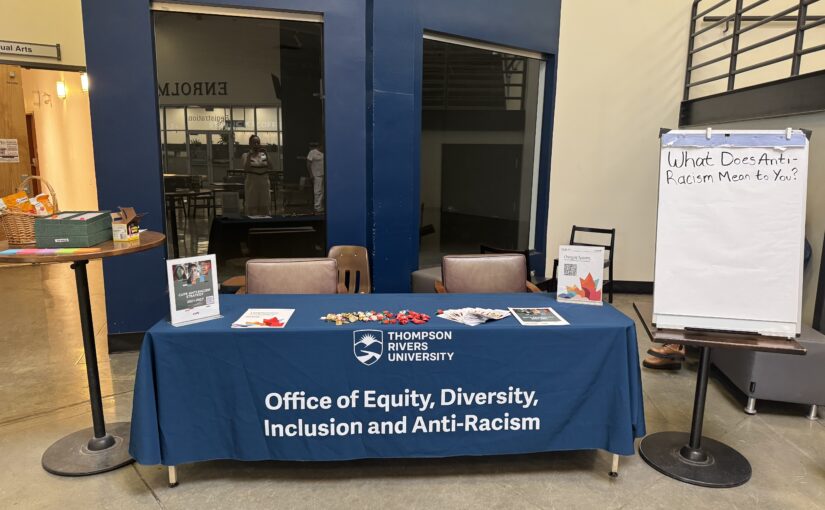
My practicum in an institutional Equity, Diversity, and Inclusion office was an important opportunity to connect my graduate studies with practical experience. Throughout the MA program, I had examined human rights and social justice through readings, discussions, presentations, and research. The practicum placed these ideas within an organizational setting, where commitments to equity must be translated into initiatives, relationships, communication, and everyday decisions.
Contributing to institutional EDI initiatives encouraged me to think about what it means to participate responsibly in this work. Academic knowledge provided a valuable foundation, but the placement also required attention to context. An institution includes people with different responsibilities, experiences, and expectations. Understanding how to contribute meant considering those relationships alongside the broader goals of inclusion and fairness.
One of the most meaningful aspects of the practicum was the opportunity to reflect on the relationship between institutional commitments and practice. Statements about equity communicate values, but their significance also depends on what happens in the ordinary work of an organization. The placement encouraged me to consider how policies and initiatives become meaningful to the people they are intended to serve.
This helped me develop a more practical understanding of institutional change. In academic writing, I could identify a problem and propose a response without having to work through every detail of implementation. During the practicum, I became more attentive to the questions that arise when ideas enter an organizational setting. Who needs to be involved? How should information be communicated? What resources are available? How can an initiative respond to different needs? These questions deepened my understanding of the work required to advance equity.
The placement also encouraged reflection on listening. My studies had given me language for discussing discrimination, exclusion, and systemic inequality, but familiarity with those concepts did not mean that I could assume I understood another person’s experience. I became more conscious of the importance of asking questions and remaining open to perspectives that might complicate my initial interpretation.
This was especially relevant to understanding EDI as relational work. Contributions to equity are shaped by how people engage with one another as well as by the content of a policy or initiative. Respectful communication can create opportunities for participation and understanding. Conversely, assumptions about what others need can limit the effectiveness of well-intentioned efforts. The practicum helped me reflect more carefully on this connection between process and purpose.
My background in education informed how I approached the placement. Teaching had already encouraged me to think about access, communication, and differences in how people participate. The practicum gave me another setting in which to consider these concerns. It broadened my perspective from the classroom to institutional practices and helped me recognize the relevance of my existing skills to a different professional environment.
At the same time, the experience required me to remain a learner. I had to consider where my knowledge was useful and where I needed further guidance. This encouraged a form of professional confidence grounded in openness rather than in having an immediate answer. I came to appreciate that responsible participation includes recognizing the limits of one’s understanding and seeking the information needed to contribute effectively.
The practicum also strengthened the connection between human rights analysis and professional responsibility. My academic research often focuses on large systems and global inequalities. Institutional EDI work brought attention to decisions made within a specific organization. This helped me see that local practices and broader structural questions are connected. The ways an institution communicates, allocates attention, and responds to concerns can affect whether its commitments are experienced as meaningful.
Another important area of reflection was accountability. I became more interested in how institutions understand the effects of their initiatives and how feedback can inform further work. This encouraged me to think beyond the completion of a task toward its purpose and potential impact. For me, this is an important part of connecting social justice principles with sustained practice.
As I move beyond the MA, I will carry the practicum’s lessons into future professional settings. My interest in healthcare makes questions of institutional access, respectful communication, and responsiveness particularly relevant. The placement helped me understand that equity requires both analytical knowledge and an ability to work thoughtfully with others. It gave me an opportunity to begin developing that combination in practice and reinforced the importance of continued reflection on my own role within an institution.